



The Science of Moisture Control: Mastering Winter Wet/Dry Extraction for Safer Facilities
|
|
Temps de lecture 10 min
Vous possédez un compte ?
Connectez-vous pour payer plus vite.

|
|
Temps de lecture 10 min
Winter presents conditions that challenge even the most experienced facility teams. Snow, slush, condensation, and ice melt chemicals are tracked indoors continuously, often faster than routine cleaning protocols can manage. Entryways, corridors, and transition zones quickly become saturated, creating slippery surfaces, accelerating floor wear, and degrading indoor air quality.
What makes winter especially challenging is that moisture is no longer isolated—it spreads rapidly across high-traffic areas and penetrates flooring systems before staff can react. Traditional surface-level cleaning methods are rarely sufficient under these conditions. As a result, facilities face higher slip-and-fall risks, increased floor maintenance costs, and greater strain on cleaning teams.
Effective winter moisture control goes beyond basic cleaning. It requires an understanding of how moisture behaves indoors and the use of equipment designed to remove water and contaminants efficiently. Wet/dry extraction, particularly when supported by contractor-grade equipment like Mastercraft®’s EnvironMaster® line, provides a practical and scientifically sound approach to managing winter conditions safely and consistently.
Winter moisture differs from routine spills or cleaning water because it is chemically and physically complex. Melted snow carries salt, sand, grit, and chemical deicers that alter how moisture behaves once it enters a building. Instead of evaporating quickly, this mixture clings to surfaces and spreads through foot traffic.
As people move through a facility, moisture is redistributed across larger areas, often reaching spaces far beyond entry points. This leads to several operational challenges:
Floors dry more slowly due to reduced indoor evaporation.
Meltwater penetrates deeply into porous surfaces like grout and carpet.
Salt accelerates floor finish breakdown and causes long-term staining.
Moisture accumulation increases mold and odor potential in closed spaces.
In enclosed environments, moisture accumulation also contributes to odor issues and elevated humidity levels. Over time, this can impact indoor air quality and increase the likelihood of microbial growth in carpets, mats, and porous flooring materials. Facilities with constant foot traffic—such as retail centers, schools, industrial buildings, and office complexes—experience these effects at a much higher frequency, compounding the risk throughout the winter season.
Winter floors remain wet longer due to several interacting physical and chemical processes. Capillary action allows moisture to migrate deep into microscopic pores within flooring materials, grout lines, and textured surfaces. Once absorbed, moisture becomes far more difficult to remove with surface-level tools.
Thermal shock plays a significant role as well. When cold shoes or equipment enter a heated building, snow and ice melt instantly, creating thin liquid layers that spread quickly before they can be contained. Heated indoor air systems further complicate the issue by reducing effective evaporation near the floor surface, keeping moisture present longer than expected.
Chemical bonding between water and salt creates a residue that attracts and retains additional moisture. This tacky film not only keeps floors wet but also traps dirt and fine particulates, increasing slip risk and requiring more aggressive cleaning. Together, these processes explain why winter moisture does not behave like ordinary water and why traditional cleaning approaches struggle to keep surfaces dry and safe.
Wet/dry extraction addresses winter moisture at its source by physically removing water and contaminants instead of spreading them across surfaces. Unlike mopping, which redistributes moisture and leaves residue behind, extraction captures liquid and debris directly into a sealed tank.
This method significantly reduces drying time, lowers slip hazards, and prevents salt and grit from embedding into floor surfaces. Extraction also improves consistency—facilities can target specific problem areas repeatedly throughout the day without compounding moisture levels.
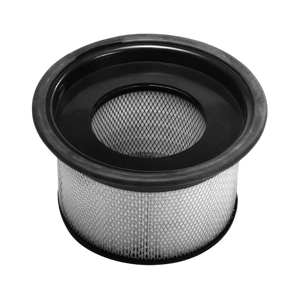
When paired with HEPA filtration, wet/dry extraction provides an added benefit by controlling airborne particulates stirred up during cleaning. This makes extraction the only winter cleaning method capable of addressing moisture, debris, and air quality simultaneously, which is critical in high-traffic or sensitive environments.
|
Method |
Effectiveness in Winter |
Key Limitations |
|
Mopping |
Low |
Spreads water, slow drying, leaves salt film |
|
Air drying |
Very Low |
Unsafe in high-traffic environments |
|
Absorbent pads |
Moderate |
Labor-intensive, only temporary relief |
|
Wet/dry extraction |
High |
Removes moisture and contaminants directly |
|
HEPA wet/dry extraction |
Very High |
Controls moisture and winter particulates |
Not all extractors are built to handle winter conditions—or the realities of professional facility work. A contractor-grade extractor is defined not by a single feature, but by how the entire machine performs when moisture is constant, debris is heavy, and downtime is not an option.
Winter introduces a combination of challenges that quickly expose weak equipment. Saltwater is corrosive. Grit and sand are abrasive. Slush is dense and difficult to recover. Add repeated daily use, transport between job sites, and long operating hours, and the difference between light-duty machines and contractor-grade equipment becomes immediately clear.
Contractor-grade extractors are engineered for environments where water, chemicals, and debris are unavoidable. Structural durability is the first requirement. These machines rely on:
Stainless-steel or industrial polymer tanks that resist corrosion from salt and cleaning chemicals
Reinforced frames that protect internal components during transport and heavy use
Impact-resistant wheels and casters designed for wet, uneven, and debris-covered floors
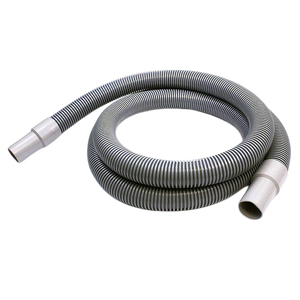
Chemical-resistant hoses and gaskets that maintain integrity in aggressive winter conditions
This level of construction ensures the extractor remains reliable throughout the season, not just during light-duty use.
Winter extraction is not about removing clean water—it’s about lifting dense slush, salt residue, and embedded debris. Contractor-grade extractors deliver the suction and lift needed to recover heavy loads efficiently, reducing the number of passes required and minimizing time spent on each area.
High-performance motors provide:
Consistent suction under load
Stable airflow even as tanks fill
Reliable recovery of thick winter contaminants
This power translates directly into safer floors and faster response times in high-traffic areas.
Winter cleaning is relentless. Entryways and corridors may require multiple extraction cycles throughout the day, especially during peak traffic periods. Contractor-grade extractors are built for continuous operation, with motors and cooling systems designed to run for extended periods without overheating or performance drop-off.
This allows cleaning teams to respond proactively rather than waiting for equipment to cool down or recover—critical in facilities that remain open all day.
Frequent tank emptying slows productivity and increases labor time. Contractor-grade extractors feature larger tank capacities that allow crews to work longer between stops, particularly in busy entryways where moisture accumulates quickly.
Greater capacity means:
Fewer interruptions
More consistent coverage
Improved workflow efficiency during peak winter hours
Contractor-grade extractors are designed with mobility and stability in mind. Wet floors, uneven surfaces, and tight spaces are part of daily operations. Balanced weight distribution, stable wheelbases, and secure component mounting ensure machines remain easy to maneuver without sacrificing safety.
In winter conditions, reliability is not optional. A contractor-grade extractor must perform the same way on the first job of the day as it does on the last—handling moisture, debris, and residue with equal efficiency every time.
Winter is one of the most demanding seasons for indoor air quality. As buildings are sealed to retain heat, airborne particles have fewer escape paths. At the same time, foot traffic continuously brings in fine debris from outdoors—salt dust, sand, soil, and biological contaminants—that quickly become airborne once floors dry or are disturbed during cleaning.
Moisture removal is only part of the challenge. Without proper filtration, winter cleaning can unintentionally reintroduce fine particulates back into occupied spaces. This is where HEPA filtration becomes critical.
Cold, dry outdoor air combined with heated indoor environments increases static movement and dust suspension. As snow melts, it leaves behind fine residues that break down into microscopic particles. These particles are easily lifted into the air by foot traffic, air currents, and cleaning activity.
In winter, this means:
More fine dust circulating indoors
Higher concentration of salt and mineral particles
Increased irritation risks for occupants
Greater stress on HVAC systems
Without HEPA filtration, many of these particles simply pass through standard filters and re-enter the environment.
True HEPA filtration captures 99.97% of particles at 0.3 microns, including fine winter contaminants that are invisible to the eye. When paired with wet/dry extraction, HEPA ensures that particles removed from the floor are not released back into the air during recovery.
This combination allows facilities to:
Control moisture and airborne debris simultaneously
Reduce slip hazards without compromising air quality
Prevent salt dust and fine grit from spreading beyond entry zones
Maintain cleaner, safer environments throughout the day
HEPA filtration is especially valuable in facilities where winter contaminants pose both safety and health concerns, including:
Schools and universities with constant foot traffic
Healthcare environments sensitive to airborne particulates
Industrial sites where fine dust and debris are common
Commercial buildings with large entry zones and open layouts
Restoration and remediation projects during winter months
In these settings, managing air quality is just as important as managing moisture.
Winter cleaning is most effective when moisture control and filtration work together. HEPA-equipped wet/dry extractors provide a more complete solution—removing water, capturing fine particulates, and reducing the overall load on HVAC systems.
Rather than treating air quality as a secondary concern, HEPA filtration integrates directly into winter moisture management. The result is safer floors, cleaner air, and facilities that remain functional and comfortable throughout the most challenging season of the year.
The EnvironMaster® line from Mastercraft® is built precisely for these demanding winter conditions. Designed for contractors and professional cleaning teams, these machines combine extraction power with durability and enhanced filtration.
Key advantages include:
Industrial suction designed for slush and saltwater
Stainless-steel or high-impact polymer tanks resistant to corrosion
Chemical-resistant components ideal for winter cleaning agents
Long-duty-cycle motors that support continuous use
Smooth-rolling, rugged wheels for wet or uneven floors
Optional True HEPA filtration for advanced air quality control
What sets EnvironMaster® apart is its ability to handle the full spectrum of winter contaminants—not just water. Salt, sand, silt, and debris are all captured efficiently, reducing long-term floor damage and improving daily safety.
To get the most out of wet/dry extraction in winter, facilities should follow a strategic approach:
Start with entryways. Most moisture enters here, so extraction should begin at access points before it spreads.
Extract before mopping. This removes the bulk of contaminants and moisture, creating a cleaner foundation for final passes.
Increase frequency during peak hours. Morning, lunch, and end-of-day rushes produce the most moisture.
Inspect filtration systems often. HEPA filters accumulate more particulates in winter.
Pair extraction with high-quality entrance mats. This reduces the total volume of meltwater brought indoors.
Focus on transition zones. Hallways and lobby intersections are often overlooked but accumulate moisture quickly.
These practices reduce risks, extend flooring life, and improve overall building hygiene.
Winter moisture is not just a seasonal inconvenience—it’s a performance challenge that affects safety, flooring longevity, and daily operations. Snow, salt, and water behave differently indoors, spreading faster and lingering longer than most facilities anticipate. When moisture is left unmanaged, small issues quickly become ongoing risks.
Wet/dry extraction changes that equation. By removing moisture and contaminants at the source, it helps facilities stay ahead of slip hazards, residue buildup, and air quality concerns—especially during peak winter traffic.
Contractor-grade equipment plays a critical role in making this approach effective. Machines built for continuous duty, high recovery performance, and winter conditions allow cleaning teams to respond quickly and consistently without interruption.
Key takeaways for winter facility management:
Winter moisture requires more than surface-level cleaning
Extraction is the most effective way to control water, salt, and debris
Contractor-grade extractors support frequent, high-demand use
HEPA filtration helps manage fine winter particulates alongside moisture
Proactive moisture control improves safety and reduces long-term floor damage
Facilities that approach winter cleaning with the right equipment and strategy operate more safely, more efficiently, and with fewer disruptions. With contractor-grade extraction solutions like Environmaster®, teams can maintain clean, dry, and winter-ready environments—no matter how demanding the season becomes.
Common questions about winter moisture control and wet/dry extraction.
Winter moisture is a mix of melted snow, slush, salt, and debris. Once inside a building, it spreads quickly, causing slippery floors, corrosion, microbial growth, and long-term damage to flooring systems.
Mopping redistributes moisture, slows drying times, and spreads salt residue. Wet/dry extraction removes moisture and contaminants at the source, preventing saturation and reducing slip hazards.
Winter moisture contains abrasive materials like salt and sand. Contractor-grade machines are built with stronger suction, chemical-resistant components, and heavy-duty tanks that withstand high daily workloads and winter cleaning chemicals.
HEPA filtration captures fine particles such as salt dust, sand, allergens, and winter debris that become airborne in heated indoor environments. This improves air quality and supports more effective winter cleaning.
The EnvironMaster® Wet/Dry Extractor Series is engineered for winter conditions, offering industrial suction, HEPA capability, corrosion-resistant construction, and durability for contractor-level workloads.


